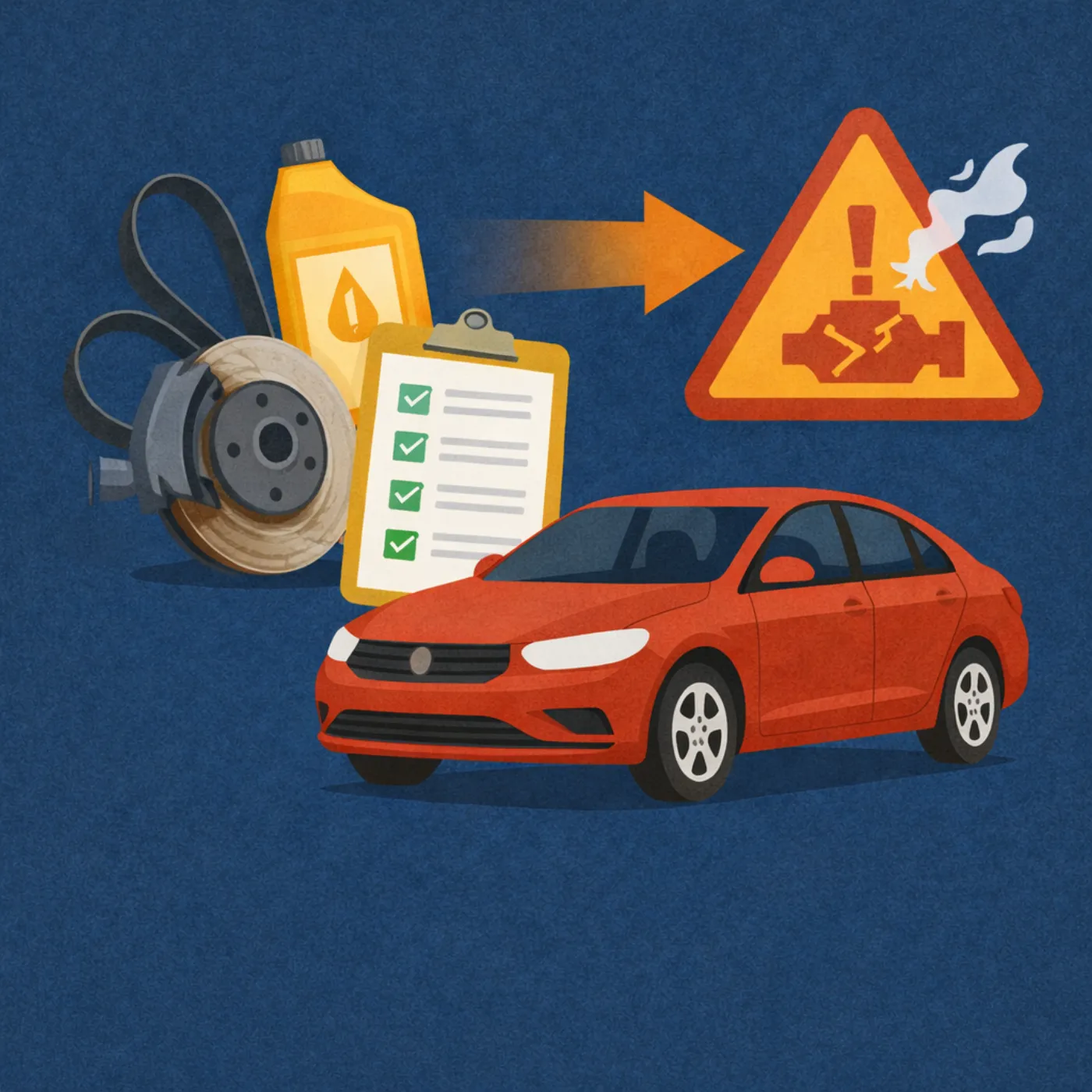
Routine Car Maintenance: The Essential Checklist Every Driver Should Follow
If you want your vehicle to last longer, run better, and cost you less over time, nothing has a greater impact than routine car maintenance. It’s the difference between a car that quietly does its job year after year—and one that surprises you with sudden breakdowns, unexpected repair bills, and a whole lot of headaches.
At Guzman Automotive, we see both types of vehicles every day. The truth is, most major repairs are preventable. When you follow a solid maintenance routine, you protect your engine, extend the life of your parts, and dramatically reduce the likelihood of sudden failures. And the best part? Most maintenance tasks are simple, affordable, and quick.
Below is the essential checklist every driver should follow to keep their car reliable, fuel-efficient, and road-ready.
Why Routine Car Maintenance Matters More Than You Think
Vehicles are machines—and all machines wear down over time. But with consistent care, that wear happens slowly and predictably instead of suddenly and expensively. That’s why routine car maintenance is one of the smartest investments any driver can make. When you stick to a maintenance plan, you get:
Better engine performance
Longer vehicle lifespan
Improved fuel efficiency
Fewer breakdowns
Better resale value
Lower lifetime ownership costs
It also plays a major role in preventing car repairs. Small issues—like dirty filters, worn brake pads, or low fluids—can become large problems if ignored. Routine checks stop problems before they start.
Your Routine Car Maintenance Checklist
Every vehicle has its own needs, but this checklist applies to nearly every make and model on the road. These service items help keep your engine clean, your fluids fresh, your tires safe, and your entire system running efficiently. Let’s break it down step-by-step.
1. Oil Changes
Every 3,000–5,000 miles (or as recommended).
Clean oil is the lifeblood of your engine. It reduces friction, prevents overheating, and protects moving parts. When oil breaks down or becomes contaminated, it can no longer do its job, leading to engine wear, sludge buildup, and eventually major engine failure.
If you want to prevent car repairs, this is the #1 most important thing you can do. At Guzman Automotive, we use high-quality oil and inspect your vehicle while it’s in the bay so you stay ahead of any issues.
2. Tire Rotation and Alignment
Rotation every 5,000–7,500 miles.
Alignment check at least once a year.
Rotating your tires helps them wear evenly. Even wear means better traction, improved fuel economy, and longer tire life. Alignment matters just as much. A misaligned vehicle can cause:
Uneven tire wear
Steering pull
Poor fuel efficiency
Suspension stress
Routine alignment checks are inexpensive—and they can save you from buying new tires sooner than necessary.
3. Brake System Inspection
Every 6 months or 6,000–10,000 miles.
Your brakes are one of your car’s most important safety systems. Don’t wait until you hear grinding or squeaking. A brake check includes:
Pad thickness
Rotor condition
Fluid level and quality
Caliper operation
Catching brake wear early saves you money and keeps you safe on the road.
4. Fluid Checks and Top-Offs
At every oil change.
Your vehicle relies on multiple fluids to operate correctly:
Engine oil
Transmission fluid
Brake fluid
Coolant
Power steering fluid
Differential and axle fluids
Windshield washer fluid
Low or contaminated fluids can lead to overheating, slipping gears, brake failure, and more. A simple check prevents major repairs—and fits perfectly into a regular maintenance schedule.
5. Air Filter and Cabin Filter Replacement
Air filter: Every 15,000–30,000 miles
Cabin filter: Once a year
Your air filter keeps dirt and debris from entering the engine. A clean filter means better airflow and a more efficient engine. Your cabin filter protects you—not just your car. It keeps dust, pollen, and debris out of your HVAC system. Replacing it helps your AC perform better and prevents musty smells.
6. Battery Testing
Once a year, or at every seasonal change.
Car batteries don’t last forever, especially in Texas heat. A weak battery often gives subtle warnings—slow starts, dim lights—but many drivers don’t notice until it fails completely. Routine testing ensures you don’t get stranded. If you need a replacement, we’ll recommend the right battery and install it quickly.
7. Wiper Blade Replacement
Every 6–12 months.
It’s easy to overlook wiper blades until you’re stuck in a storm and can’t see the road. Sun exposure causes the wiper rubber to crack and stiffen, leading to streaks and poor visibility. A quick replacement keeps you safe and ensures clear visibility in rain or snow.
8. Belt and Hose Inspection
Every 30,000–60,000 miles.
Belts and hoses dry out, crack, and wear over time. A failed serpentine belt can shut down your alternator, AC, or power steering. A broken hose can cause coolant loss and engine overheating. Routine inspections allow us to spot wear early and replace parts before they fail.
9. Spark Plug Replacement
Typically between 60,000 and 100,000 miles.
Worn spark plugs cause misfires, rough idling, loss of power, and reduced fuel efficiency. Replacing them restores performance and prevents long-term engine strain. If your vehicle feels sluggish or rough, spark plugs may be the culprit.
10. Full Engine and System Diagnostics
Whenever you notice a change in performance or a warning light. Modern vehicles rely on sensors, computers, and modules. A diagnostic scan helps identify:
Misfires
Sensor failures
Emissions issues
Transmission problems
Engine management concerns
Early detection protects your engine and saves you time and money.
Why Skipping Routine Car Maintenance Leads to Higher Repair Costs
Every skipped maintenance item has a consequence.
Skip an oil change → worn engine
Ignore your brakes → damaged rotors
Forget tire rotation → early tire replacement
Overlook a coolant leak → overheating and head gasket failure
Ignore strange noises → larger repair bills
Your car communicates through early symptoms. Routine maintenance catches those symptoms before they turn into expensive repairs. That’s the heart of car repair prevention.
How to Build a Maintenance Schedule That Works for You
Every driver is different. Some commute 60 miles a day. Others drive only on weekends. Some tow heavy loads. Some live in extreme heat or cold. Your maintenance schedule should reflect your lifestyle, including:
Mileage
Driving habits
Local climate
Vehicle age
Vehicle manufacturer recommendations
At Guzman Automotive, we help you build a personalized schedule that keeps your car running at its best without unnecessary services.
Signs It’s Time to Bring Your Vehicle In
Even with consistent maintenance, your car may occasionally give you early warnings that shouldn’t be ignored:
Strange noises
Warning lights
Vibrations
Fluid leaks
Burning smells
Rough shifting
Poor fuel economy
Any change in performance is grounds for scheduling an inspection. Most issues are minor if caught early.
Protect Your Vehicle With Routine Car Maintenance at Guzman Automotive
Keeping your car in top shape doesn’t have to be complicated. With a simple checklist and trusted shop, you can keep your vehicle running safely, reliably, and efficiently for years to come. At Guzman Automotive, we make routine car maintenance easy, affordable, and stress-free. Our ASE-certified technicians walk you through every service, explain what we find, and give you honest recommendations—no upsells, no pressure.
If you’re ready to protect your investment and stay ahead of costly repairs, schedule your next maintenance appointment with us. We’re here to take great care of your vehicle—one service at a time.
Need maintenance in Central Texas?
Guzman Automotive handles maintenance at both of our shops — our Taylor, TX location and our Hutto, TX location. Book online, or call Taylor at (512) 996-6950.