We’re open in Hutto! Our second shop is now serving Hutto, Round Rock and Pflugerville. See the new shop

Why Ignoring Worn Brake Pads Can Increase Overall Replacement Cost
When it comes to maintaining your car, few systems are as important as your brakes. They are the difference between a safe stop and a costly accident. Yet, many drivers put off replacing their brake pads until the problem becomes unavoidable. Unfortunately, delaying service often leads to a much higher brake pad replacement cost—sometimes doubling or tripling what you would have paid if you had addressed the issue early.
At Guzman Automotive, we’ve seen this scenario play out too many times. That’s why we want to break down exactly why ignoring worn brake pads is never worth it, how it impacts other parts of your braking system, and what you can do to save money while keeping your family safe on the road.
The Role of Brake Pads in Your Vehicle
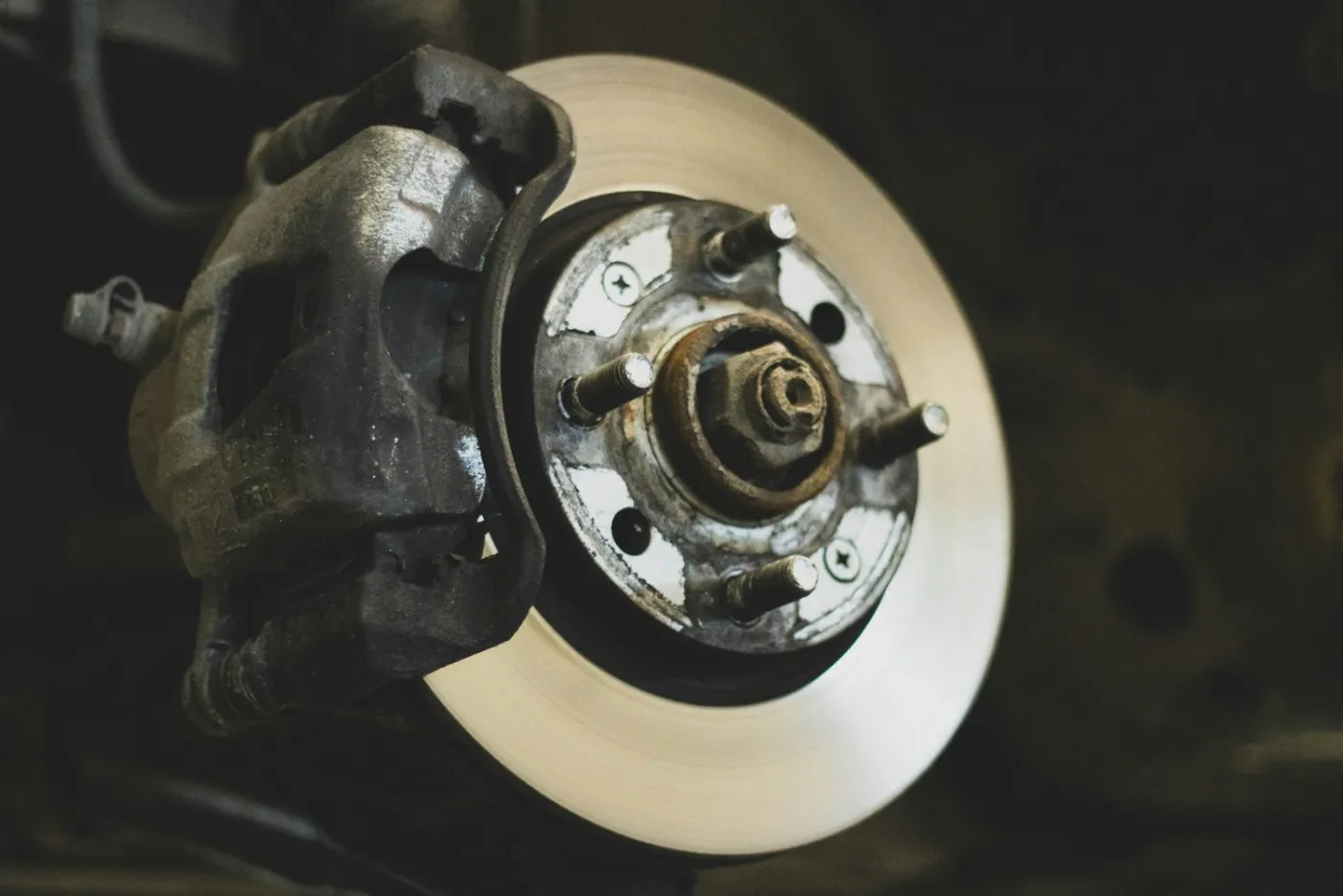
Brake pads may look like small components, but they handle one of the most demanding jobs in your car. Every time you press the brake pedal, the pads clamp down on your rotors, creating friction that slows and stops your vehicle. Over time, that friction naturally wears down the pad material.
On average, brake pad lifespan ranges from 30,000 to 70,000 miles, depending on your driving habits, the type of pads, and your vehicle. Aggressive driving, stop-and-go traffic, and heavy loads can significantly shorten that range.
The key takeaway? Brake pads are designed to be replaced regularly. If you wait until they are completely worn out, other, much more expensive components take the damage.
How Worn Brake Pads Drive Up Costs
Let’s look at how ignoring brake maintenance directly affects your wallet.
1. Rotor Damage
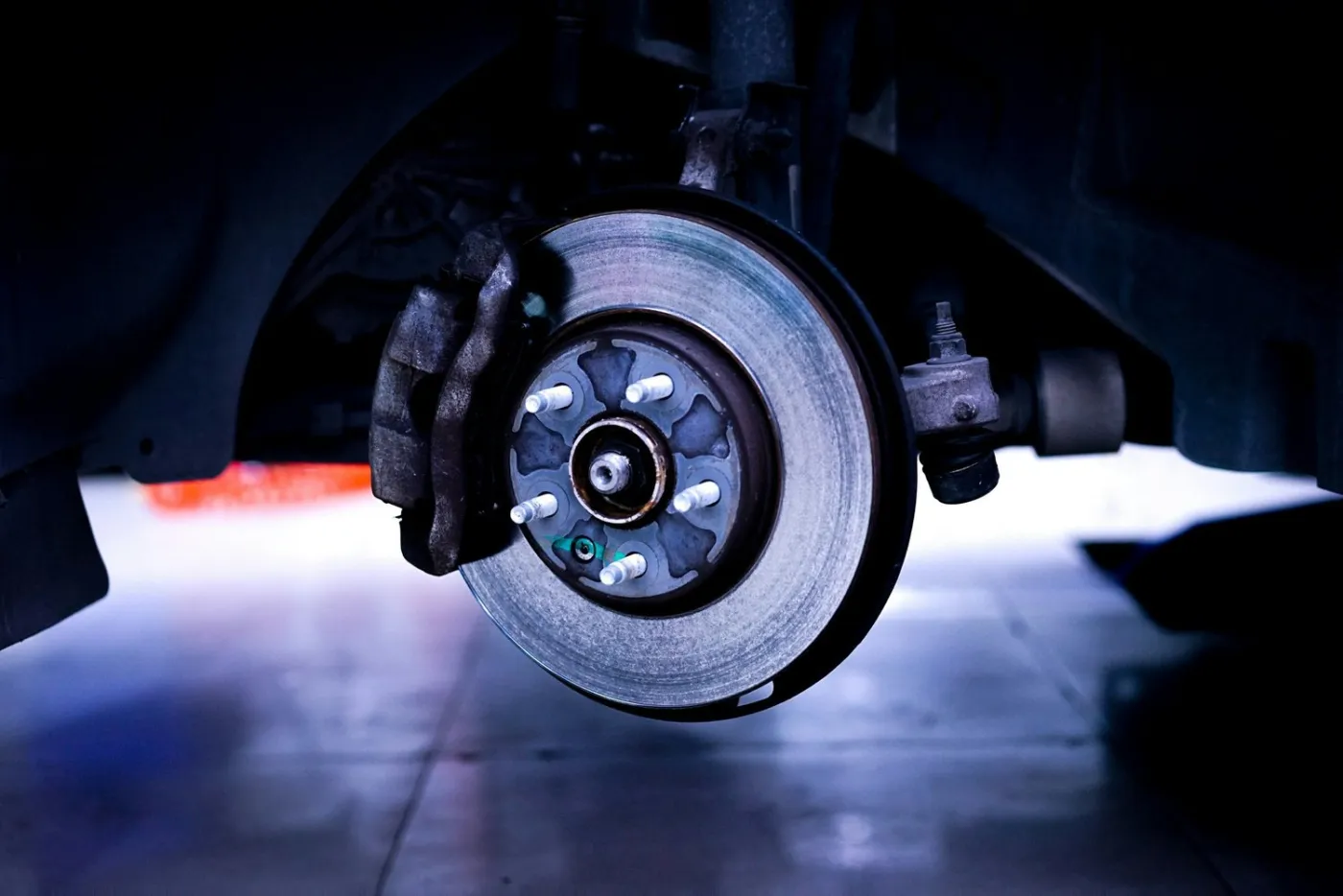
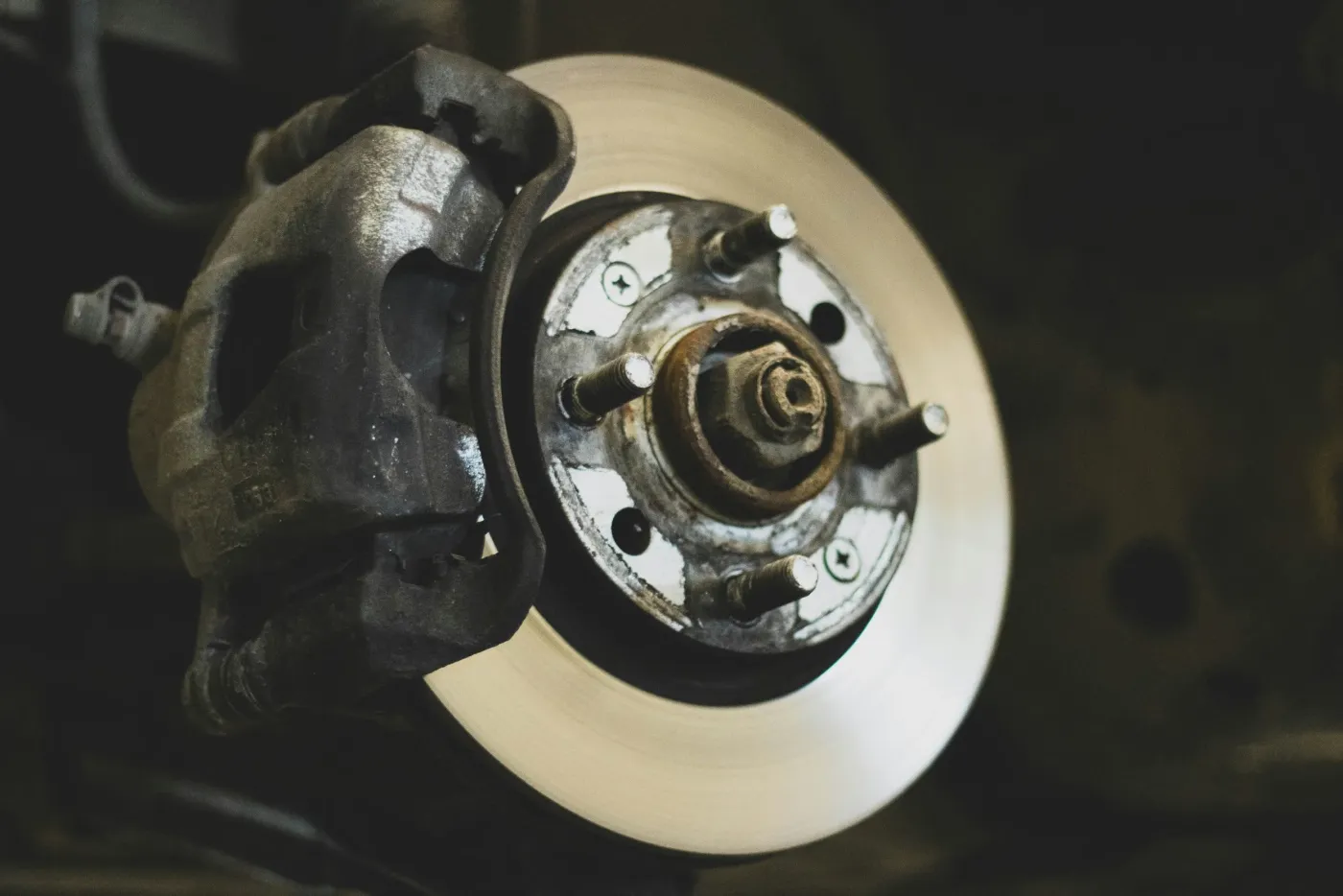
Rotors are the smooth discs that your brake pads press against. When pads wear down too far, the metal backing of the pad grinds directly into the rotor surface. This not only reduces braking efficiency but also leaves deep grooves and hot spots on the rotor.
What could have been a simple brake pad replacement suddenly turns into a full brake job that also requires new rotors. This not only adds extra parts and labor but also increases the time your vehicle is out of service. In other words, postponing a quick fix often leads to more complex repairs and a bigger overall investment down the road.
2. Caliper Failure
Brake calipers hold and apply the pads. If worn pads cause uneven heat or rotor warping, the caliper pistons can seize or leak. Replacing calipers adds several hundred dollars to your bill. In worst-case scenarios, a seized caliper can damage your wheel or suspension.
3. ABS System Stress
Modern vehicles rely on Anti-Lock Braking Systems (ABS) for stability and safety. A failing brake system forces the ABS to work harder than it was designed to, sometimes leading to sensor or pump failure. These repairs can cost thousands—far more than simple pad maintenance.
4. Reduced Fuel Efficiency and Tire Wear
Worn pads and damaged rotors create drag, forcing your engine to work harder. You’ll notice lower fuel economy and uneven tire wear. Over time, these hidden expenses add up, contributing to the “true” brake service pricing you end up paying.
Safety Risks You Can’t Put a Price On
Cost isn’t the only factor. Driving with worn pads increases your stopping distance, reduces your ability to handle emergencies, and puts everyone on the road at risk. That squealing or grinding noise you hear isn’t just annoying—it’s a warning sign that your brakes are past their limit.
Ignoring these symptoms doesn’t just increase your brake pad replacement cost—it increases your chances of a collision. And no repair bill compares to the cost of an accident.
How to Spot the Warning Signs Early
Catching brake issues early can save you hundreds of dollars. Here are some clear indicators that it’s time to schedule service:
Squealing or Grinding Sounds – High-pitched squeals indicate built-in wear indicators, while grinding means the pads are already worn out.
Vibration in the Pedal – Warped rotors often cause pulsation when braking.
Increased Stopping Distance – If your car takes longer to stop, your pads may be too thin.
Dashboard Warning Light – Many newer cars have brake wear sensors that alert you when it’s time for service.
Pulling to One Side – Uneven pad wear or caliper problems can cause your vehicle to drift during braking.
Addressing these issues right away usually means a simple pad replacement instead of a full brake overhaul.
Why Brake Service Costs Go Up Over Time
The cost of brake service isn’t just about replacing pads—it’s about what else may need attention if the pads are ignored. Several factors influence the overall brake pad replacement cost:
Extent of Wear – If pads are replaced promptly, service is simple. If they’re ignored, rotors and calipers may also need repair.
Type of Vehicle – Heavy-duty trucks, SUVs, and performance cars typically require more robust components than compact cars.
Driving Habits – Frequent stop-and-go driving, towing, or carrying heavy loads can shorten brake pad lifespan and increase service needs.
Maintenance History – Vehicles with regular inspections typically require only minor repairs, whereas neglected systems often necessitate more extensive service.
By addressing worn pads early, you keep your vehicle in the “basic service” category instead of letting it escalate into major repairs. That’s why preventative maintenance is always the smarter choice—it prevents small issues from becoming large ones.
Why Preventive Maintenance Saves Money
Think of brake service like an oil change: it’s a recurring expense that prevents far more expensive repairs down the line. Routine inspections catch issues before they escalate, and timely pad replacement maximizes rotor lifespan.
Here’s why preventative maintenance is always the smart choice:
Lower costs in the long term – Replacing pads early prevents more extensive repairs like replacing both pads and rotors.
Peace of mind – You know your brakes will perform when you need them most.
Consistent performance – Prevents uneven braking, steering pull, and noisy operation.
Better resale value – A well-maintained brake system reassures buyers when it’s time to sell your car.
At Guzman Automotive, we even offer free brake inspections so you never have to guess about your pad condition. That small step can save you hundreds—or even thousands—on the average brake repair cost over the life of your vehicle.
DIY vs. Professional Brake Service
Some drivers consider handling brake pad replacement themselves to save money. While DIY kits can cost as little as $50–$150, they don’t include professional inspection, rotor resurfacing, or warranty coverage. More importantly, incorrect installation can compromise your entire braking system. For something as critical as stopping power, trusting certified technicians is always the better investment. With Guzman Automotive, you’ll know your vehicle has been inspected, serviced, and tested to factory standards.
How Guzman Automotive Can Help
Serving Taylor, TX, and the surrounding area, Guzman Automotive is committed to helping drivers stay safe while keeping repair bills manageable. We specialize in preventative maintenance and honest pricing. So you’ll always know exactly what your brake pad replacement cost will be before we start.
Our team provides:
Free brake inspections
Transparent estimates with no hidden fees
Quality parts designed to last
Skilled technicians who care about your safety
Don’t Wait Until It’s Too Late
Ignoring brake pads might feel like saving money in the moment, but it’s one of the most expensive decisions you can make as a car owner. By waiting, you trade a small repair bill for the much higher average brake repair cost, not to mention the added risk to your safety.
If you’ve noticed any warning signs—or if you simply want the peace of mind that comes with knowing your brakes are in top shape—schedule a free inspection with Guzman Automotive today. Protect your car, your wallet, and your family by addressing your brake pads before they cost you more than they should.
Need brakes in Central Texas?
Guzman Automotive handles brakes at both of our shops — our Taylor, TX location and our Hutto, TX location. Book online, or call Taylor at (512) 996-6950.