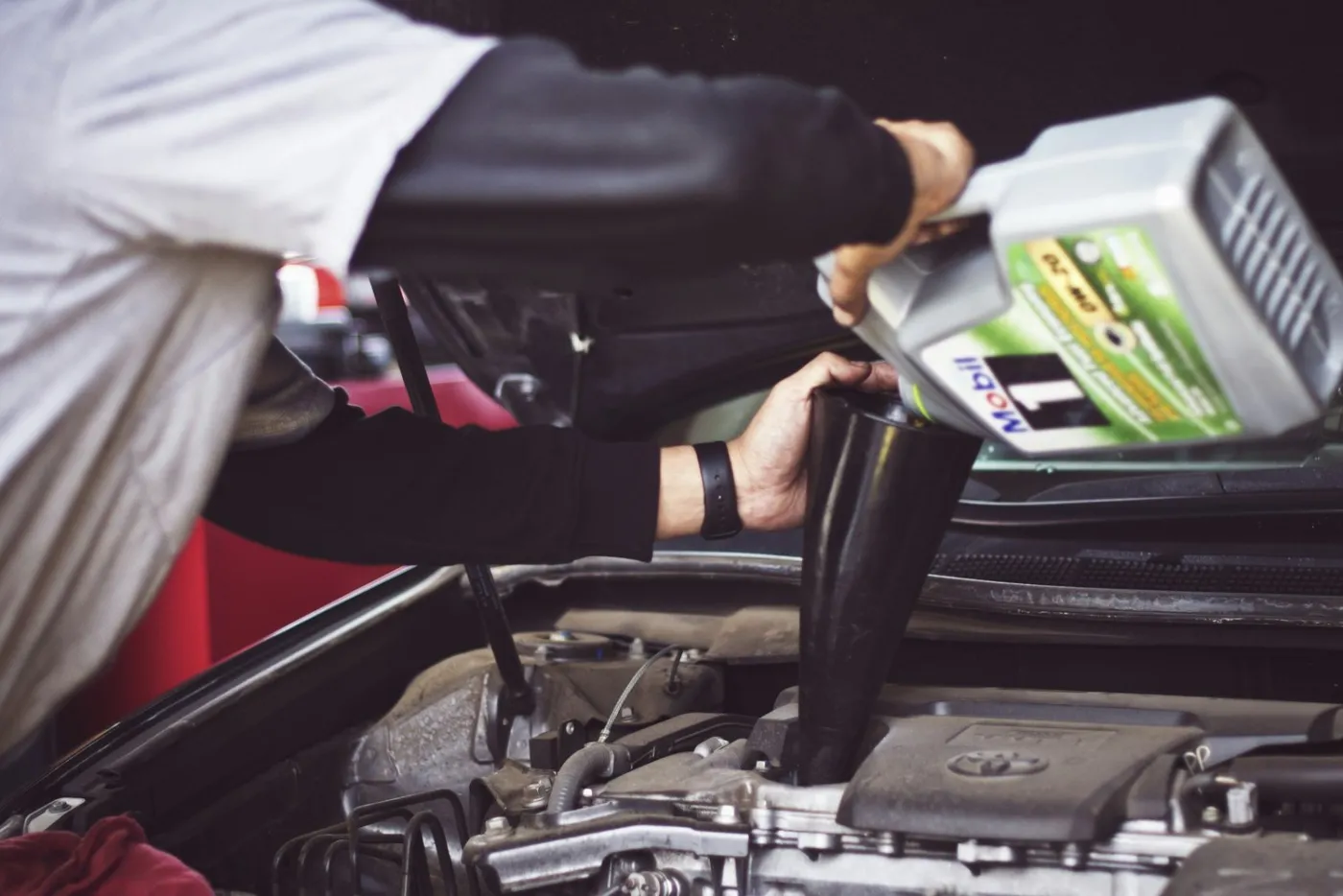
Why Routine Oil Change Services Are Critical for Engine Health
Most drivers know they need to change their oil eventually, but many don't fully understand why oil changes are so important. It's easy to put off maintenance when your vehicle seems to be running fine, especially when life gets busy. However, delaying routine oil change services can lead to increased engine wear, reduced fuel efficiency, costly repairs, and even premature engine failure.
At Guzman Automotive, we've spent more than three decades helping drivers throughout Taylor, TX, and the surrounding communities keep their vehicles running reliably. One of the simplest and most effective ways to protect your investment is by staying on top of regular oil changes.
Let's take a closer look at why routine oil change services play such a critical role in engine health and long-term vehicle performance.
What Does Engine Oil Actually Do?
Many people think of oil as simply a lubricant, but it performs several essential functions inside your engine.
Engine oil helps:
Lubricate moving parts
Reduce friction
Prevent excessive wear
Dissipate heat
Remove contaminants
Protect against corrosion
Maintain proper engine performance
Modern engines contain hundreds of moving components operating at extremely high speeds and temperatures. Without proper lubrication, metal parts would quickly begin grinding against one another, creating damage that could lead to major repairs.
Oil serves as the protective barrier that keeps these components functioning smoothly.
Why Oil Breaks Down Over Time
Even the highest-quality motor oil doesn't last forever. As your vehicle operates, the oil is exposed to:
High temperatures
Combustion byproducts
Dirt and debris
Moisture
Metal particles
Over time, these contaminants begin to degrade the oil's effectiveness.
The oil gradually loses its ability to lubricate, cool, and protect engine components. It also becomes thicker and dirtier, reducing its ability to flow properly through the engine. This is why manufacturers recommend routine oil change services at specific intervals. Fresh oil restores the protection your engine needs to operate efficiently.
How Dirty Oil Affects Engine Health
When oil becomes contaminated or breaks down, several problems can begin to develop.
Increased Friction
Oil creates a thin protective layer between moving engine parts. As oil deteriorates, this protective barrier weakens. The result is increased metal-to-metal contact, which accelerates wear throughout the engine.
Excessive Heat
Engine oil helps carry heat away from critical components. When oil loses effectiveness, heat builds up more quickly inside the engine. Excessive heat can damage seals, gaskets, bearings, and other expensive components.
Sludge Formation
Old oil can begin forming sludge deposits inside the engine. Sludge restricts oil flow and can block critical passages that deliver lubrication to engine components. Left unchecked, sludge buildup can significantly reduce engine lifespan.
Reduced Performance
Dirty oil forces the engine to work harder. Drivers may notice:
Reduced fuel economy
Sluggish acceleration
Increased engine noise
Rough operation
Routine oil change services help prevent these issues before they impact vehicle performance.
The Connection Between Oil Changes and Fuel Efficiency
Many drivers are surprised to learn that oil changes can affect fuel economy. When oil becomes dirty or thickened, the engine must work harder to overcome increased friction. This additional effort requires more fuel. Fresh oil allows internal components to move more freely, helping the engine operate more efficiently.
While an oil change won't double your gas mileage, maintaining proper lubrication can contribute to better overall fuel efficiency over time. For drivers commuting between Taylor, Austin, Hutto, Georgetown, and surrounding areas, even small improvements in fuel economy can add up throughout the year.
Modern Engines Require Consistent Maintenance
Today's vehicles are more advanced than ever before. Many modern engines feature:
Turbochargers
Variable valve timing
Direct fuel injection
Tight manufacturing tolerances
These technologies improve performance and efficiency, but also place greater demands on engine oil. Because modern engines rely heavily on proper lubrication, staying current with oil change services is even more important than it was decades ago. Skipping oil changes can accelerate wear on these sophisticated systems and increase the likelihood of expensive repairs.
How Often Should You Schedule Oil Change Services?
One of the most common questions we hear at Guzman Automotive is:
"How often should I change my oil?"
While every vehicle is different, we generally recommend scheduling oil change services every 3,000 to 5,000 miles to help keep your engine properly protected and performing at its best.
The ideal interval can vary depending on several factors, including:
Vehicle make and model
Oil type
Driving habits
Climate conditions
Manufacturer recommendations
Many modern vehicles can go longer between oil changes under ideal conditions, but real-world driving often tells a different story. Frequent stop-and-go traffic, short trips, towing, extreme temperatures, and dusty driving conditions can all cause oil to break down more quickly.
Examples of severe driving conditions include:
Frequent stop-and-go traffic
Short trips where the engine doesn't fully warm up
Towing trailers or heavy loads
Driving in extreme heat
Dusty or unpaved roads
Because Central Texas drivers regularly deal with high temperatures, traffic congestion, and long commutes, staying within the 3,000–5,000-mile range can help reduce engine wear and catch potential issues before they become costly repairs.
If you're unsure when your vehicle is due for service, the team at Guzman Automotive can review your vehicle's maintenance history and recommend an oil change schedule that fits your driving habits and manufacturer guidelines.
Warning Signs Your Vehicle May Need an Oil Change
In addition to following recommended maintenance intervals, there are several signs that your vehicle may be due for service. Common indicators include:
Oil Change Warning Light
Many modern vehicles monitor oil life electronically and will alert you when service is needed.
Dark or Dirty Oil
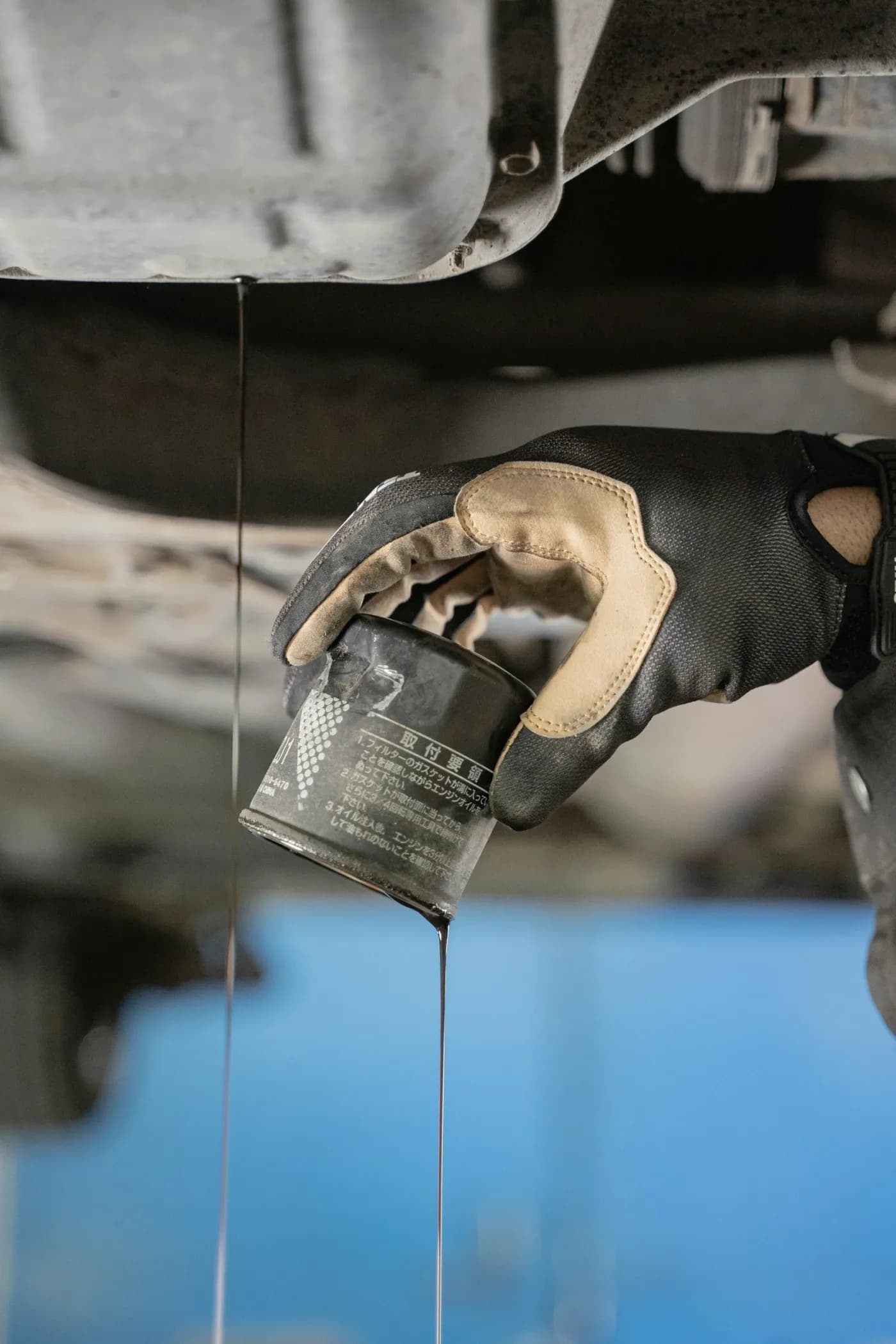
Fresh oil typically appears amber in color. As it collects contaminants, it becomes darker and thicker.
Increased Engine Noise
Insufficient lubrication may cause engine components to become noisier than usual.
Burning Oil Smell
A noticeable oil odor could indicate overheated oil or a potential leak.
Reduced Fuel Economy
If your gas mileage suddenly decreases, old oil may be contributing to reduced efficiency.
Addressing these warning signs promptly can help prevent more serious issues.
Oil Changes Help Protect Your Vehicle Investment
For most families, a vehicle represents one of the largest investments they make outside of their home. Routine oil change services are one of the most affordable ways to protect that investment. Regular oil changes help:
Extend engine life
Reduce repair costs
Improve reliability
Maintain performance
Support fuel efficiency
Preserve resale value
When compared to the cost of major engine repairs or replacement, routine maintenance is a small expense that delivers significant long-term value.
Oil Changes Are Also an Opportunity for Preventative Maintenance
At Guzman Automotive, an oil change is about more than simply replacing oil. Each service provides an opportunity to inspect other critical vehicle systems and identify potential issues early. During routine maintenance visits, technicians may identify:
Fluid leaks
Worn belts
Tire concerns
Battery issues
Cooling system problems
Brake wear
Catching these concerns early often helps drivers avoid larger repairs later. Preventive maintenance remains one of the most effective ways to maximize vehicle reliability and minimize unexpected breakdowns.
Keep Your Engine Running Strong With Regular Oil Changes
Routine oil change services are one of the most important steps you can take to protect your engine and extend the life of your vehicle. Clean oil helps reduce wear, improve performance, maintain fuel efficiency, and prevent costly repairs that can result from neglected maintenance.
At Guzman Automotive, we've proudly served Taylor, TX, and the surrounding communities for more than three decades. Our experienced team is committed to providing honest, dependable automotive care that helps keep your vehicle running at its best. If your vehicle is due for an oil change or you're unsure when your last service was performed, contact us online, or call us at (512)996-6950 today to schedule professional oil change services and keep your engine protected for the road ahead.
Need oil change in Central Texas?
Guzman Automotive handles oil change at both of our shops — our Taylor, TX location and our Hutto, TX location. Book online, or call Taylor at (512) 996-6950.