Winter Car Care Tips: Seasonal Car Maintenance To Keep Your Vehicle Running Strong in Cold Weather
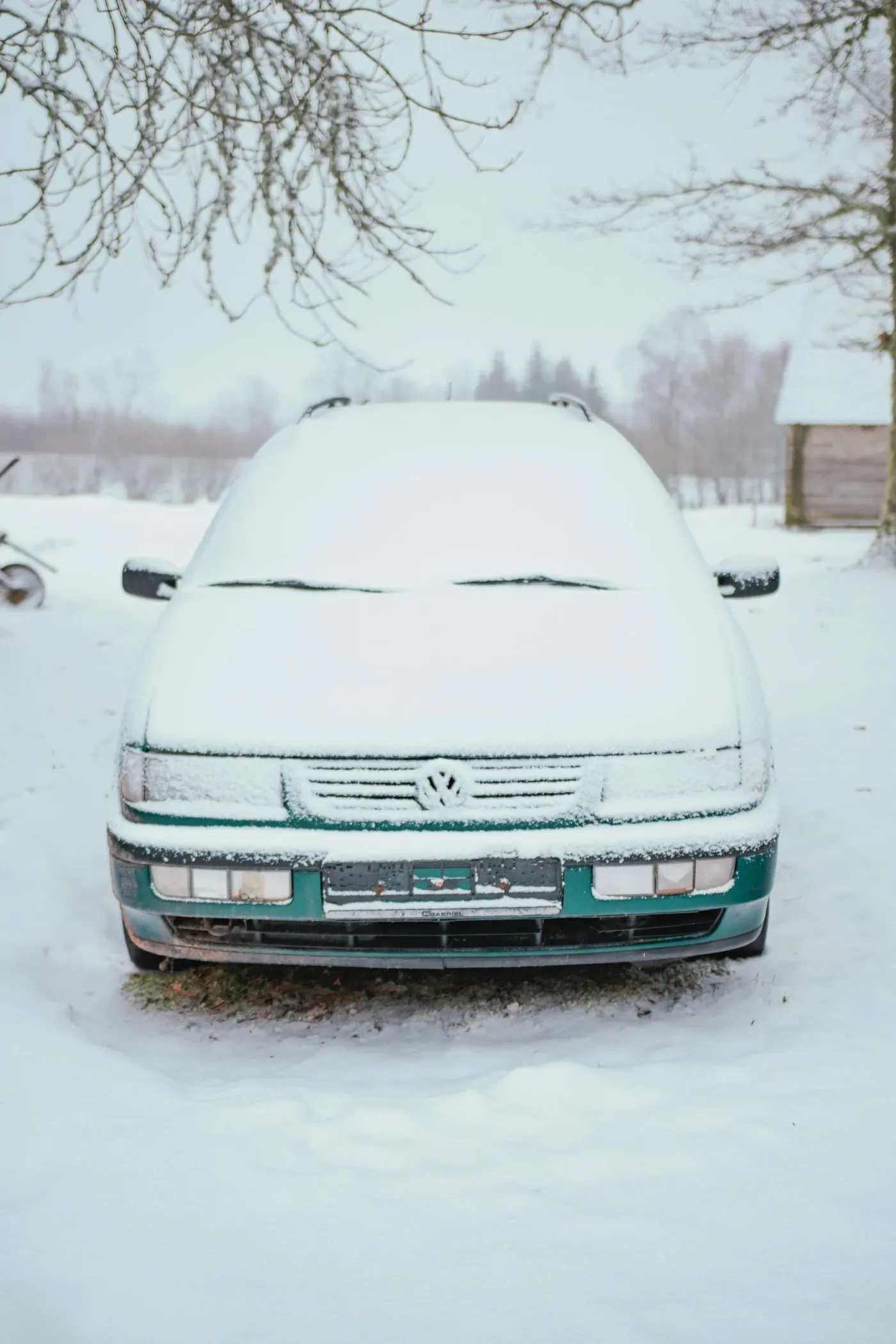
When temperatures drop, your vehicle faces new challenges. Cold air, icy roads, low tire pressure, and weakened batteries can all turn a normal morning commute into a stressful experience. That’s why winter car care is more than a good idea—it’s essential. Preparing your vehicle ahead of time not only helps prevent breakdowns but also ensures you and your passengers stay safe during winter travel.
As part of your seasonal car maintenance routine, these tips will help you protect your investment, avoid unexpected repairs, and keep your vehicle running as smoothly in January as it does in June.
Whether you’re staying close to home or planning a holiday road trip, here’s what you need to know to get your car winter-ready—and how Guzman Automotive can help.
Why Cold Weather Affects Your Car
Winter weather affects your vehicle in ways that hotter months don’t. Fluids thicken, rubber stiffens, and battery output drops—creating perfect conditions for breakdowns and poor performance. For drivers in Central Texas, sudden cold snaps can be especially hard on vehicles that aren’t used to frigid temperatures.
Seasonal car maintenance addresses the most vulnerable components of your vehicle so you can drive confidently all winter long.
1. Check Your Battery Health
Cold weather and weak batteries do not mix. When temperatures fall, battery output decreases. A battery that works fine at 70° may struggle to start your engine at 30°.
Signs your battery may be due for replacement:
Slow engine crank
Dashboard warning lights
Frequent jump-starts
Dim headlights
The battery is more than 3 years old
A quick battery test can determine whether you need a replacement. At Guzman Automotive, we can assess your battery’s performance and ensure it’s strong enough to handle winter weather.
2. Inspect and Change Your Motor Oil
Because cold temperatures cause oil to thicken, it’s harder for it to circulate and lubricate your engine. This increases engine wear and can make starting more difficult. If your vehicle is overdue for service, or you’ve been putting off maintenance, winter is not the time to wait. Fresh, clean oil flows better in colder temperatures and protects your engine more effectively.
Synthetic oil is often recommended in winter because it resists thickening better than conventional oil, making cold starts easier and providing better overall engine protection.
Not sure what oil your vehicle needs? Our team can help you choose the right oil for your vehicle and driving habits.
3. Monitor Tire Pressure and Tread
For every 10° drop in temperature, tires lose about 1 PSI. Underinflated tires reduce fuel efficiency, affect steering response, and increase the risk of tire damage.
Proper tread depth is especially important when temperatures get cold. Even in areas like Central Texas—where snow is rare—winter roads can become slick with rain or frost.
Check your tire tread with the penny test:
Place a penny between the treads, Lincoln’s head down.
If you can see the top of his head, the tread is too low, and the tires should be replaced.
If you’re unsure about the condition of your tires, we can check tread depth, pressure, and alignment to ensure you’re road-ready.
4. Make Sure Your Brakes Are Ready
Stopping distances increase when roads are wet or icy. That means brake performance needs to be at its best during colder months. If you’ve noticed squeaking, grinding, vibration, or longer stopping distances, now is the time to schedule a brake inspection.
Winter is tough on brake components, and identifying issues early can prevent more expensive repairs later.
5. Test Your Heater and Defroster
Your heater isn’t just about comfort—it helps maintain visibility by preventing windows from fogging. A working defroster is essential for safe driving, especially on chilly mornings when condensation builds.
If your cabin isn’t warming up like it used to—or your windows fog faster than the system can handle—bring your vehicle in for inspection. Our technicians can diagnose the issue and keep your heating system functioning all winter long.
6. Inspect Belts and Hoses
Rubber components stiffen in cold weather, increasing the likelihood of belt and hose cracking. If your belts squeal or hoses look brittle, it’s time to have them checked.
During seasonal car maintenance, we look for:
Leaks
Cracking
Glazing
Soft spots
Preventing belt or hose failure is more affordable than repairing the engine damage that can follow if they fail while driving.
7. Top Off Fluids (Coolant, Brake, Steering, Washer)
Cold temperatures can cause some fluids to thicken or lose effectiveness. Make sure these are topped off and winter-ready:
Antifreeze/coolant prevents the engine from freezing and overheating
Washer fluid keeps your windshield clean
Brake and power steering fluid help maintain system performance
Washer fluid seems simple, but it becomes essential when winter road grime collects on your windshield. Low visibility is one of winter driving’s biggest hazards—you’ll be glad you topped it off.
8. Replace Wiper Blades if Needed
If your wipers streak, skip, or fail to properly clear the windshield, replace them. Winter weather requires clear visibility—especially during rain or cold mornings when frost forms.
Most wipers last 6 to 12 months, and winter is a good time to install new ones.
9. Keep an Emergency Kit in Your Vehicle
Even well-maintained vehicles can run into unexpected issues. Create a simple emergency kit to keep on hand:
Jumper cables
Flashlight
Portable phone charger
Blanket
First-aid kit
Tire pressure gauge
Bottled water
Basic tools
It may not get extremely cold in Texas often, but it’s always better to be prepared.
10. Schedule a Pre-Winter Multi-Point Inspection
The best way to ensure your vehicle is ready for cold weather is to schedule a seasonal inspection. A trained technician can examine your car’s major systems and identify potential problems before winter makes them worse.
At Guzman Automotive, our winter inspection includes:
Battery test
Oil level check
Brake assessment
Tire pressure and tread inspection
Fluid top-off
Heater/defroster check
Belt and hose inspection
This proactive approach saves money and helps keep you safe on the road.
Why Seasonal Car Maintenance Matters
Seasonal car maintenance protects your car from avoidable damage and ensures it performs reliably when temperatures change. Winter puts strain on your engine, tires, and electrical systems. Staying ahead of these issues helps you:
Extend the life of your vehicle
Improve fuel economy
Reduce the risk of breakdowns
Drive more safely
Avoid costly repairs
By addressing minor issues before they become major problems, you keep your vehicle running smoothly all winter long.
Why Choose Guzman Automotive for Winter Service?
At Guzman Automotive, we take pride in providing honest, reliable repairs that keep you safe on the road. Our ASE-certified technicians use high-quality parts and advanced diagnostic tools to ensure your vehicle is ready for the season ahead.
Here’s what sets us apart:
Family-owned and operated
ASE-certified professionals
Digital inspections with photos
Honest recommendations
Fast, friendly service
Whether you need an oil change, battery replacement, brake service, or a complete winter inspection, we’re here to help.
Stay Ready for Winter—Schedule Your Visit Today
Winter can be hard on your vehicle—but with the right care, you’ll be ready for whatever the season brings. From batteries and brakes to oil and tires, preparing now will help keep you safe and confident on the road.
Schedule your seasonal car maintenance with Guzman Automotive today, and let our team help you keep your vehicle running strong all winter long.
Need maintenance in Central Texas?
Guzman Automotive handles maintenance at both of our shops — our Taylor, TX location and our Hutto, TX location. Book online, or call Taylor at (512) 996-6950.