Buying a Used Car: Why a Pre-Purchase Inspection Can Save You Thousands
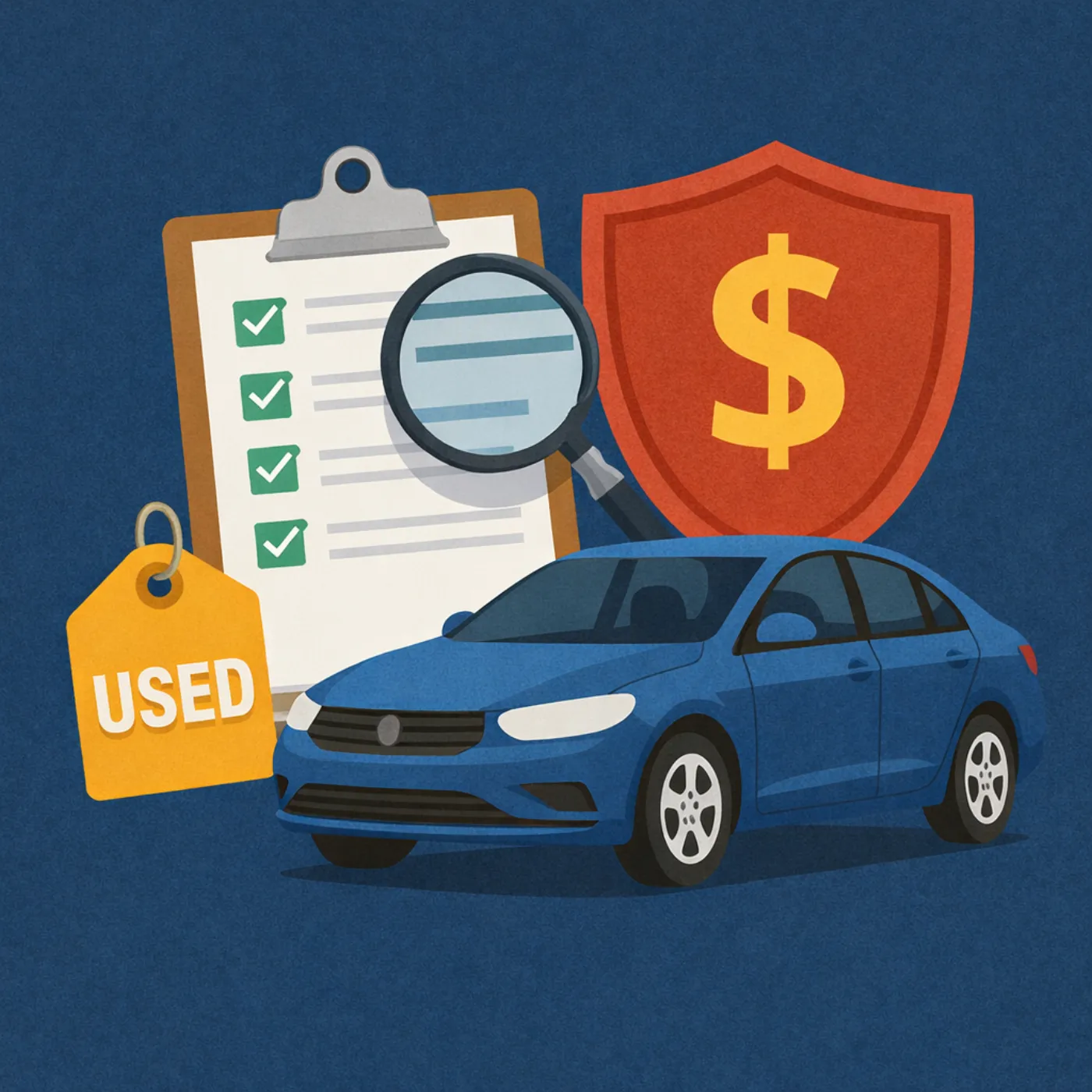
Buying a used car often feels like a smart move. Lower upfront cost. Less depreciation. More car for the money. But it’s also one of the easiest ways to end up with surprise repairs you didn’t plan for — not because you made a bad decision, but because you didn’t have all the information upfront.
At Guzman Automotive, we see both sides of this. Some buyers are confident they know exactly what they’re getting into. Others show up frustrated a few weeks later, already dealing with repairs they never expected. Most of the time, those repairs didn’t come out of nowhere.
They were already there. If you’re buying a used car, a pre-purchase inspection is one step that can genuinely save you thousands — and a lot of stress.
Why a Test Drive Doesn’t Tell the Whole Story
This is one of the most common things we hear from used-car buyers: “It drove great on the test drive.” And that may be true for the moment. The problem is that many mechanical issues don’t show up during a quick drive around the block. Engines can run smoothly while leaking oil. Transmissions can shift fine under light driving but slip under load. Suspension components can be worn just enough to cause problems later, without making any obvious noise yet.
A test drive tells you how the car feels right now. A pre-purchase inspection tells you what condition it’s actually in. Those are two very different things.
What a Pre-Purchase Inspection Really Looks For
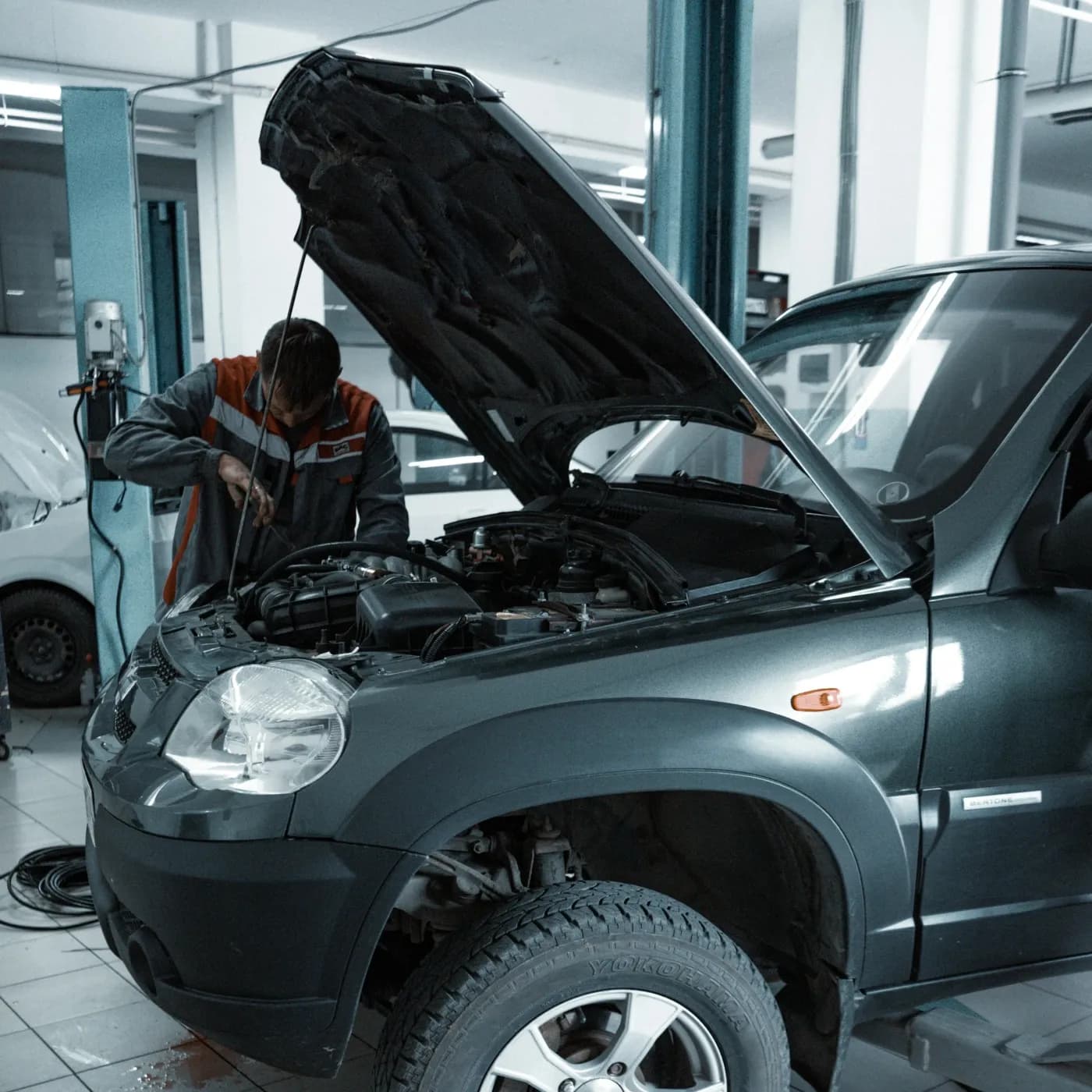
A real pre-purchase inspection isn’t just a glance under the hood. It’s a detailed check performed by someone who knows where problems tend to hide — and which ones turn expensive quickly.
During an inspection, a technician examines factors such as engine condition, fluid leaks, brake wear, suspension and steering components, tire wear patterns, warning lights, and signs of past damage or poor repairs. Some issues are minor. Some aren’t. The point is knowing the difference before you buy.
How Small Problems Turn Into Big Repair Bills
Here’s where buyers usually get caught off guard. Most used cars don’t have a single major problem. Instead, they have several small ones that don’t seem urgent on their own. Worn brakes. Tires are near the end of their life. Suspension parts that are starting to loosen up.
Individually, those repairs might not sound terrible. Add them together, though, and suddenly the “great deal” isn’t such a great deal anymore.
We’ve seen buyers spend thousands of dollars in the first few months simply catching up on things that were already worn out when they bought the car.
A pre-purchase inspection helps surface those costs early — while you still have options.
The Pattern We See in the Shop
This part is uncomfortable, but it’s honest. We’ve had customers come in with cars they just bought. Sometimes, less than a month earlier. The car runs, but something feels off. A noise. A vibration. A warning light that just came on. After the inspection, it’s clear the issues didn’t appear overnight. They were developing long before the sale. Not always hidden intentionally. Just not obvious during a short test drive. Those are tough conversations. And they’re usually preventable.
An Inspection Gives You Leverage — or an Exit
One of the biggest benefits of a pre-purchase inspection is the leverage it provides. If issues show up, you can negotiate the price, ask the seller to handle repairs, or decide the car simply isn’t worth it. Even if you still move forward with the purchase, you’re doing so with your eyes open.
That alone changes the entire experience. No surprises. No scrambling. No regret a few weeks later.
Buying From a Dealer Doesn’t Eliminate Risk
There’s a common assumption that buying from a dealership means the car has already been thoroughly checked. Sometimes that’s true. Sometimes it isn’t. Dealership inspections aren’t always as detailed, and they’re done by someone whose goal is to sell the vehicle
A third-party pre-purchase inspection gives you an unbiased look at the car — someone working for you, not the transaction. This matters even more with higher-mileage vehicles or cars that are out of warranty.
A Mechanical Issues Checklist Beats Guessing
Most buyers rely on instinct. A test drive. Maybe a glance under the hood.
That’s not a checklist. A professional inspection follows a structured mechanical issues checklist built on experience. Mechanics know which problems recur on certain makes and models, which parts fail first, and which warning signs matter. That kind of insight is hard to replicate without years in the shop.
The Cost Comparison Is Simple
Some buyers skip inspections to save money. That decision often costs far more than the inspection ever would. An inspection is minor compared to engine repairs, transmission work, suspension overhauls, or cooling system failures. Finding even one major issue early can pay for the inspection immediately. Knowing before you buy beats finding out later. Every time.
Peace of Mind Is Part of the Value
There’s also the mental side of it. Buying a used car is stressful enough. When you skip the inspection, every noise, light, or vibration becomes a question mark. When you don’t skip it, you drive away knowing what you bought — and what to expect.
That peace of mind matters more than most people realize.
When a Pre-Purchase Inspection Matters Most
While inspections are valuable for any used vehicle, they’re especially important when buying from a private seller, purchasing a higher-mileage car, dealing with limited service records, or considering an older or performance vehicle.
In those situations, the margin for error is smaller. The inspection becomes even more valuable.
Make the Smart Move Before You Buy
Buying a used car doesn’t have to be a gamble. A pre-purchase inspection gives you clarity, protects your investment, and helps you avoid expensive surprises down the road. If you’re serious about buying a used vehicle, have it inspected before you hand over money. It’s one of the smartest decisions you can make in the process.
Schedule a pre-purchase inspection with Guzman Automotive to ensure the car you’re buying is actually worth the price.
Need pre-purchase inspection in Central Texas?
Guzman Automotive handles pre-purchase inspection at both of our shops — our Taylor, TX location and our Hutto, TX location. Book online, or call Taylor at (512) 996-6950.