Routine Maintenance Services That Can Prevent Major Breakdowns Down the Road
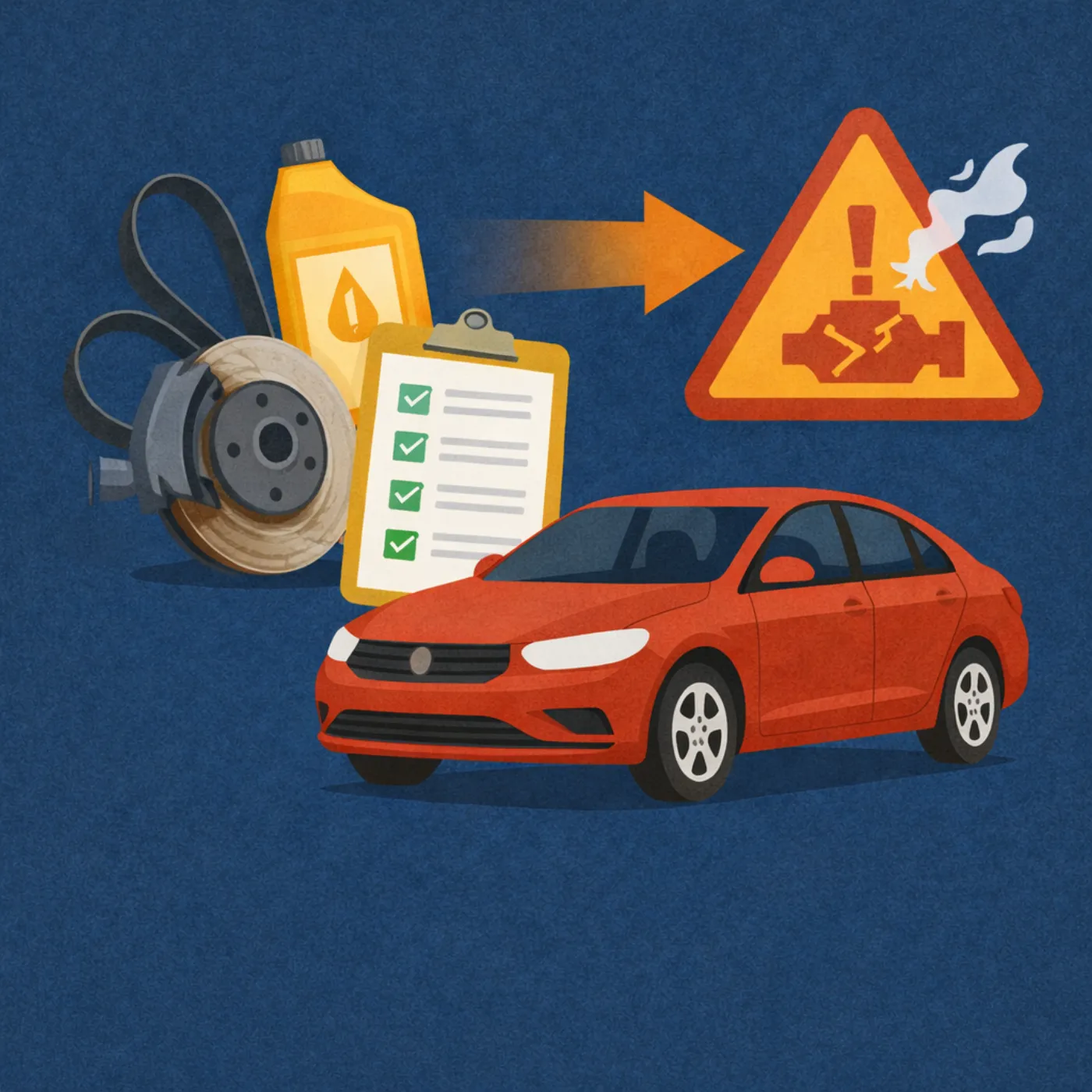
When most drivers think about car repairs, they picture expensive problems, such as blown engines, failed transmissions, or sudden breakdowns that leave them stranded on the side of the road. What often gets overlooked is how many of those major issues start as small problems that can be managed with routine maintenance services.
In reality, staying ahead of minor car repairs is one of the most effective ways to prevent major breakdowns, protect your safety, and save money over time. At Guzman Automotive, we see it every day: vehicles that could have avoided major repairs if a simple issue had been addressed earlier.
This guide breaks down the most common routine maintenance services in Taylor, TX, that play a major role in keeping your vehicle reliable, safe, and on the road longer.
Why Minor Car Repairs Matter More Than You Think
Modern vehicles are complex systems where everything works together. When one small component starts to fail, it often puts extra strain on surrounding parts. Over time, that stress compounds — and what could have been a quick fix turns into a costly repair.
Ignoring minor car repairs doesn’t just increase the risk of breakdowns; it also increases the risk of more serious problems. It can also impact fuel efficiency, braking performance, steering control, and overall vehicle safety. The good news is that many of these issues show warning signs long before they become emergencies.
The Pattern We See in the Shop
Most major breakdowns don’t come out of nowhere. They start with a small issue that gets ignored because the car still drives fine. We see it all the time: someone comes in for a noise, a light, or a routine check, but decides to wait. A few weeks or months later, they’re back with a bigger problem that could’ve been avoided. Routine maintenance service isn’t about being overly cautious. It’s about fixing small issues before they turn into expensive ones.
1. Worn Brake Pads and Rotors
Brake issues are one of the most common and most dangerous minor repairs drivers ignore.
Brake pads are designed to wear down gradually. When replaced early, the repair is relatively simple and affordable. When ignored, worn pads can damage rotors, calipers, and even brake lines, leading to a much more expensive repair.
From a safety standpoint, delaying brake service reduces stopping power and increases stopping distance. Addressing brake noise, vibrations, or warning lights early is one of the most important car safety tips any driver can follow.
2. Low or Dirty Fluids
Your vehicle relies on multiple fluids to operate properly, including engine oil, transmission fluid, brake fluid, coolant, and power steering fluid. Low or contaminated fluids may not seem urgent, but they are a leading cause of major mechanical failures. For example:
Low engine oil increases friction and heat, accelerating engine wear
Old brake fluid can reduce braking performance
Low coolant can cause overheating and head gasket failure
Routine fluid checks and minor fluid services help prevent major breakdowns and extend the life of critical components.
3. Failing Belts and Hoses
Belts and hoses are small parts with a big job. Serpentine belts power systems like the alternator, power steering, and air conditioning. Hoses carry coolant and other fluids throughout the engine. Over time, heat and age cause these components to crack, stretch, or weaken. A failed belt or hose can leave you stranded instantly, or worse, cause engine overheating and internal damage. Replacing worn belts and hoses proactively is one of the simplest routine maintenance services in Taylor, TX, that delivers major long-term protection.
4. Battery and Charging System Issues
Many drivers assume a dead battery happens without warning. In reality, batteries often give subtle signs before failing completely. Slow starts, dim headlights, or dashboard warning lights can indicate battery or alternator problems. Catching these issues early prevents no-start situations and protects sensitive electrical components. A quick battery test during routine maintenance can help prevent breakdowns, — especially during extreme heat or cold.
5. Tire Wear and Alignment Problems
Your tires are the only part of your vehicle that actually touches the road, which makes their condition more important than many drivers realize. Issues like uneven tread wear, low tire pressure, or a slight alignment problem often start small. They are easy to ignore, — especially if the car still feels “fine” to drive.
Over time, though, those minor issues can quietly create bigger problems. Worn or uneven tires reduce traction, especially in wet conditions, and can increase braking distance when you need to stop quickly. Poor alignment can cause tires to wear out far sooner than expected and put extra stress on suspension and steering components.
Regular tire inspections, rotations, and alignments are simple routine maintenance services, but they make a noticeable difference. Staying on top of tire maintenance improves safety, extends tire life, and helps prevent more serious suspension or steering repairs down the road.
6. Check Engine Light Warnings
One of the biggest mistakes drivers make is ignoring the check engine light because the car “still runs fine.” That light is often your first alert to a minor issue, such as a failing sensor, misfire, or emissions-related problem. Left unaddressed, these small issues can lead to:
Reduced fuel efficiency
Damage to the catalytic converter
Engine performance problems
Failed emissions inspections
Diagnosing warning lights early allows technicians to fix minor problems before they cascade into expensive repairs.
7. Suspension and Steering Wear
Clunks, squeaks, or loose steering are often dismissed as “normal wear.” However, suspension and steering components play a critical role in vehicle control and stability. Worn ball joints, tie rods, or bushings can:
Affect handling and alignment
Cause uneven tire wear
Reduce braking effectiveness
Increase accident risk
These issues typically develop gradually, making early repairs far easier and less expensive than waiting for full component failure.
8. Air Filters and Fuel System Maintenance
Air filters and fuel system components don’t always get much attention, but they directly impact engine performance. A clogged air filter restricts airflow, reducing efficiency and power. Dirty fuel injectors can cause rough idling, hesitation, and poor fuel economy. These are classic examples of routine maintenance services that help prevent major breakdowns when handled on schedule. Regular maintenance in these areas keeps the engine running smoothly and reduces long-term wear.
How Minor Car Repairs Improve Vehicle Safety
Beyond saving money, preventive maintenance is a major contributor to road safety. Reliable brakes, responsive steering, proper tire traction, and predictable engine performance all reduce the risk of accidents. Many car safety tips boil down to one core principle: don’t wait for failure. Vehicles are designed to give warning signs. Paying attention to them keeps you in control and avoids sudden emergencies.
Routine Maintenance Saves Money Long-Term
One of the most common misconceptions is that skipping routine maintenance saves money. In reality, it usually does the opposite. Small issues grow. A worn brake pad damages a rotor. Low coolant overheats an engine. A misfire ruins a catalytic converter. Each example starts with a minor repair that costs far less than the damage it eventually causes. By addressing problems early, you:
Reduce unexpected repair bills
Avoid emergency breakdowns
Extend the life of your vehicle
Maintain better resale value
Trust a Professional to Catch Problems Early
Not every minor issue is obvious. That’s why routine inspections and maintenance are so important. A professional technician can spot early warning signs that most drivers would miss. At Guzman Automotive, our approach is preventative, not pushy. We focus on identifying minor routine maintenance services in Taylor, TX, to help prevent major breakdowns—and on explaining what truly needs attention now versus what can wait.
Moreover, we offer fleet maintenance services so you can keep your company’s vehicles in top shape and keep your company running at peak efficiency.
Stay Ahead of Breakdowns Before They Start
Most breakdowns don’t happen all at once. They build up slowly, usually from minor issues that are easy to ignore. If something feels off, sounds different, or just hasn’t been checked in a while, that’s usually your cue. Taking care of minor car repairs now is almost always easier than dealing with a major repair later.
Schedule your routine maintenance in Taylor, TX, with Guzman Automotive at (512) 996-6950 and keep your car running safely, reliably, and efficiently for years to come.
Need maintenance in Central Texas?
Guzman Automotive handles maintenance at both of our shops — our Taylor, TX location and our Hutto, TX location. Book online, or call Taylor at (512) 996-6950.