Hearing a Squealing Noise When Starting Car? Here’s What It Means
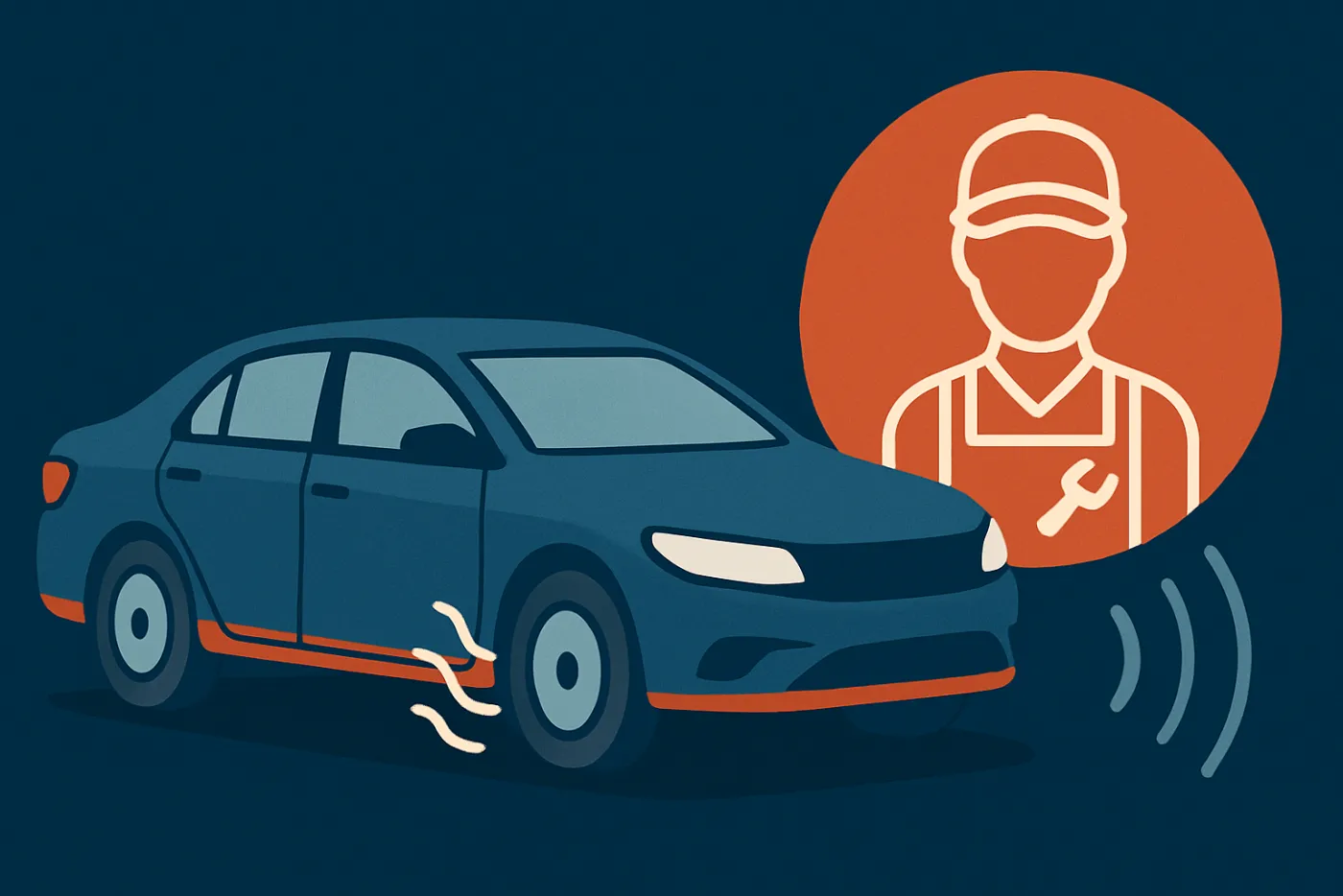
If you hear a squealing noise when starting your car, don’t ignore it. A brief squeal might seem like a minor annoyance, but it can be an early warning that a belt, pulley, or another component under the hood needs attention.
At Guzman Automotive, we recommend paying attention to when the noise happens, how long it lasts, and whether it gets worse over time. Those details can help identify the source of the problem before a small repair turns into a much bigger one.
If you’re driving around Taylor, TX, or looking for an auto repair shop as Guzman Automotive expands into Hutto, TX, here’s what you should know about that squealing sound.
Why Is My Car Making a Squealing Noise When Starting?
One of the most common reasons for a squealing noise when starting a car is a problem with the engine’s belt system.
When you start your vehicle, several components immediately begin working together. The serpentine belt transfers power from the engine to components such as the alternator and other accessories. If the belt is worn, loose, contaminated, or unable to maintain proper grip, it may slip briefly and produce a noticeable squealing sound.
A squeal doesn’t necessarily mean the belt itself is the only problem. The belt’s tensioner, pulleys, or other components can also contribute to the noise.
That’s why we recommend having the noise properly diagnosed rather than simply replacing a belt and hoping the problem goes away.
Common Causes of a Squealing Noise When Starting a Car
1. A Worn or Damaged Serpentine Belt
Your serpentine belt experiences a lot of use. Over time, the rubber can become worn, cracked, glazed, or otherwise damaged. A worn belt may have difficulty gripping the pulleys properly, especially when the engine first starts. This can result in a squealing sound that disappears after a few seconds.
If the squealing becomes more frequent or lasts longer, it’s a good idea to have the belt inspected.
2. A Loose or Failing Belt Tensioner
The tensioner helps maintain the proper amount of pressure on the belt. If it isn’t working correctly, the belt may not have the tension it needs. You might notice squealing when starting the vehicle, accelerating, or when the engine is under additional load.
Replacing the belt without addressing a faulty tensioner may not solve the underlying problem.
3. A Problem With a Pulley
The serpentine belt travels around several pulleys. If one of those pulleys is worn, damaged, or not rotating correctly, it can create unusual noises.
A failing pulley bearing may produce squealing, chirping, grinding, or other sounds.
Because multiple components can make similar noises, proper inspection is important before deciding what needs to be replaced.
4. Moisture or Contamination
Sometimes a belt may squeal briefly after your vehicle has been sitting in wet or humid conditions. Moisture can temporarily affect the belt’s ability to grip.
However, repeated or persistent squealing shouldn’t automatically be dismissed as normal.
If your car consistently makes a squealing noise when starting, especially in combination with other symptoms, we’d recommend having it checked.
Is It Safe to Drive With a Squealing Belt?
It depends on what’s causing the noise.
A short squeal doesn’t automatically mean your vehicle is about to break down. However, continuing to drive without determining the cause can be risky if the noise is related to a failing belt, tensioner, pulley, or another component.
If a serpentine belt fails, the components powered by that belt may stop operating properly. Depending on the vehicle, that can potentially lead to additional problems and leave you stranded.
Our advice is simple: if your car is making a new or increasingly loud squealing noise, have it inspected before the problem gets worse.
What If the Squealing Happens Only When I Start the Car?
A squeal that happens only during startup can provide an important diagnostic clue.
When the engine first starts, the belt and accessories immediately experience a change in operating conditions. A belt that is marginally worn or a component that is beginning to fail may produce noise during this initial period and then become quieter once everything is moving normally.
That doesn’t mean the problem has fixed itself.
If the noise disappears after a few seconds but comes back every morning, after the vehicle sits for a while, or during certain weather conditions, tell your technician exactly when it happens. That information can make diagnosis easier.
What Should You Do If Your Car Starts Squealing?
Before assuming you need a specific repair, pay attention to the symptoms.
Ask yourself:
- Does the squealing happen only when starting?
- How long does the noise last?
- Does it happen when accelerating?
- Does it get louder when you turn on the air conditioning?
- Is the noise becoming more frequent?
- Do you notice other warning signs from the vehicle?
Avoid spraying belt dressing or other products on the belt to temporarily quiet the noise. Masking the sound doesn’t address the cause and can make it harder to diagnose the underlying issue. Instead, schedule an inspection so we can identify the source of the noise.
When to Bring Your Car to an Auto Repair Shop
If you’ve noticed a squealing noise when starting your car, we’d rather have you address it early than wait until you’re dealing with a breakdown.
Bring your vehicle in if:
- The squealing is getting louder or lasting longer.
- You hear squealing every time you start the engine.
- You notice visible damage or unusual wear on a belt.
- You hear grinding, chirping, or other unusual noises.
- A warning light comes on.
- You notice problems with other vehicle systems.
- You’re simply unsure where the noise is coming from.
At Guzman Automotive, the goal is to identify the actual source of the problem so you can make an informed decision about the repair your vehicle needs.
Looking for Auto Repair in Taylor, TX?
If you’re in Taylor, TX, and your vehicle has started making a squealing noise, don’t wait for the sound to become a bigger problem. A squealing belt may be something relatively straightforward to address, but the noise can also point to a tensioner, pulley, or another issue that deserves attention.
And as Guzman Automotive prepares to open a new location in Hutto, TX, we’re excited to make it even easier for drivers in the area to have a trusted place to turn when their vehicle isn’t running or sounding the way it should.
Hearing a squealing noise when starting your car? Bring it to Guzman Automotive and let us help you find out what’s causing it.
Frequently Asked Questions
Why does my car squeal when I first start it?
A squealing noise at startup can be caused by a worn or slipping serpentine belt, a belt tensioner problem, a pulley issue, or other belt-system concerns. An inspection can determine the actual cause.
Why does the squealing stop after a few seconds?
A belt or related component may squeal briefly as the engine starts and then quiet down once it’s operating normally. Even if the noise stops, recurring squealing is worth having inspected.
Can I drive my car if the belt is squealing?
A brief squeal doesn’t necessarily mean your vehicle is unsafe to drive, but you shouldn’t ignore a recurring or worsening noise. A failing belt or related component could eventually leave you stranded or cause additional problems.
How much does it cost to fix a squealing noise?
The cost depends entirely on what’s causing the noise. A worn belt may require a different repair than a failing tensioner or pulley. Proper diagnosis should come before replacing parts.
Should I replace the belt if my car is squealing?
Not necessarily. The belt may be the source of the problem, but the tensioner, pulleys, or another component could also be responsible. That’s why we recommend diagnosing the noise before replacing parts.
Final Advice From Guzman Automotive
A squealing noise when starting your car is one of those symptoms that’s easy to put off because the vehicle may otherwise seem to run normally. Our advice? Don’t wait until the noise becomes impossible to ignore.
If your car is squealing at startup, have the belt system and related components inspected. Catching a developing problem early can help you avoid an unexpected breakdown and give you a clearer picture of what your vehicle actually needs.
For drivers in Taylor, TX, Guzman Automotive is here to help keep your vehicle running reliably—and we’re looking forward to serving even more local drivers at our Hutto, TX location.
If your car is making a noise you don’t recognize, let Guzman Automotive take a look.
Need computer diagnostics in Central Texas?
Guzman Automotive handles computer diagnostics at both of our shops — our Taylor, TX location and our Hutto, TX location. Book online, or call Taylor at (512) 996-6950.